Centranet’s Sachin Gupta Named 2025 Presidential Leadership Scholar

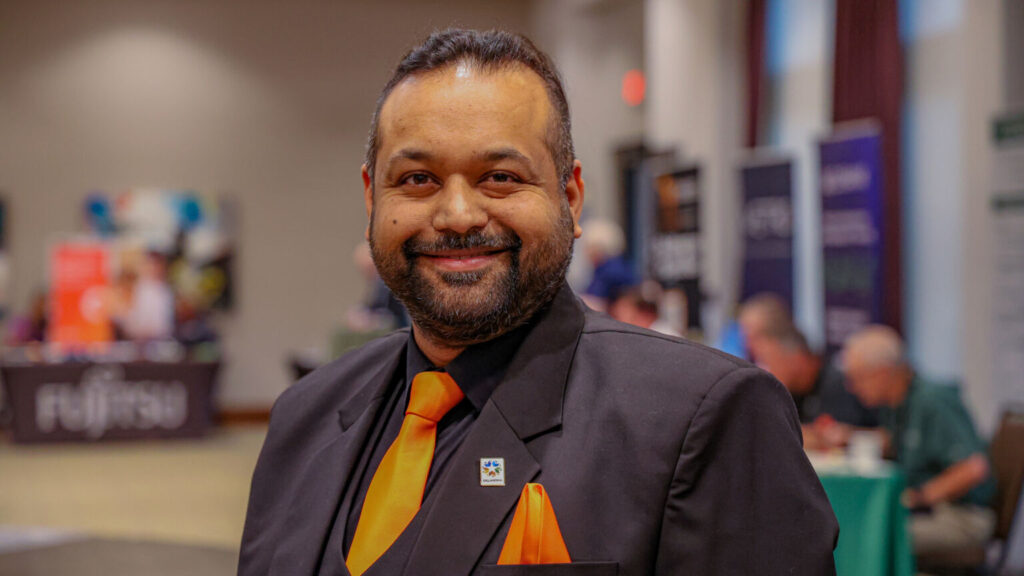
Sachin Gupta, Vice President of Business and Technology Strategies at Centranet, a subsidiary of Central Rural Electric Cooperative, has been named one of 57 Scholars who will form the Presidential Leadership Scholars’ (PLS) 10th annual class.

For the past decade, PLS has brought together more than 500 diverse, established leaders to collaborate and make a difference in the world as they learn about leadership through the lens of the presidential experiences of George W. Bush, William J. Clinton, George H.W. Bush, and Lyndon B. Johnson.

The class was selected after a rigorous application and review process. Scholars were chosen based on their leadership growth potential and the strength of their personal leadership projects aimed at addressing a critical challenge or need in a community, profession or organization.

“I am honored and proud to have been selected for this program, which brings together a diverse set of leaders to learn from one another,” Gupta said. “America derives its strength and sense of purpose from its diversity and the variety of opinions it encompasses. The Presidential Leadership Scholars program is dedicated to nurturing the next generation of leaders in America.”

Gupta is the National Rural Electric Cooperative Association’s (NRECA) representative on the Federal Communications Commission’s Technological Advisory Council (FCC TAC), a board director for the American Association for Public Broadband (AAPB) and is part of the NRECA’s Steering Advisory Group, where he advises the organization’s broadband leadership on operational and strategic priority areas. He is also a board member of the Fiber Broadband Association (FBA) and a voting member of the Oklahoma Broadband Expansion Council (OBEC).

With more than 21 years of diverse experience in product management, business development and marketing for large government contractors, Gupta has worked with government officials in 32 countries, advocating for networked smart defense and security solutions. He has spoken at multiple domestic and international conferences, addressing various technical, legislative and regulatory issues, and is well-published in several national broadband publications. Additionally, he represents Oklahoma’s Cooperative Broadband Coalition, advancing its agenda at both state and federal levels.

Gupta holds a Master of Science in Mechanical Engineering and Telecommunications Management from Oklahoma State University.

During the six-month program, Gupta will develop his initiative focused on workforce development for tribal members. He hopes to bring digital opportunities of the future to tribal lands, which consistently have low engagement in high tech industries.

“We are incredibly proud of Sachin for being selected as a Presidential Leadership Scholar,” said Mark Prather, President of Centranet. “Sachin’s unwavering commitment to expanding broadband access and his innovative leadership have been instrumental to Centranet’s success. This prestigious program will offer him invaluable insights and connections, further strengthening his leadership capabilities and ultimately benefiting our community and beyond.”

Over the course of the program, Scholars will travel to each participating presidential center to learn from former presidents, key former administration officials, business and civic leaders, and leading academics. They will study and put into practice varying approaches to leadership and exchange ideas to help strengthen their impact.

Scholars have consistently reported remarkable growth in skills, responsibilities, and opportunities for impact since the program began in 2015. For example, 96% of Scholars said their confidence in how they lead social change has improved as a result of PLS, and 97% of Scholars reported they are inspired to accomplish more since beginning the program.

The 2025 program will begin on Jan. 29.

###

About Presidential Leadership Scholars: The Presidential Leadership Scholars program is a partnership among the presidential centers of George W. Bush, William J. Clinton, George H.W. Bush, and Lyndon B. Johnson. To learn more, visit www.presidentialleadershipscholars.org. For updates about the Presidential Leadership Scholars, use #PLScholars and follow @PLSprogram on LinkedInX, and Instagram.

Centranet launch high-speed internet expansion in North Central Oklahoma

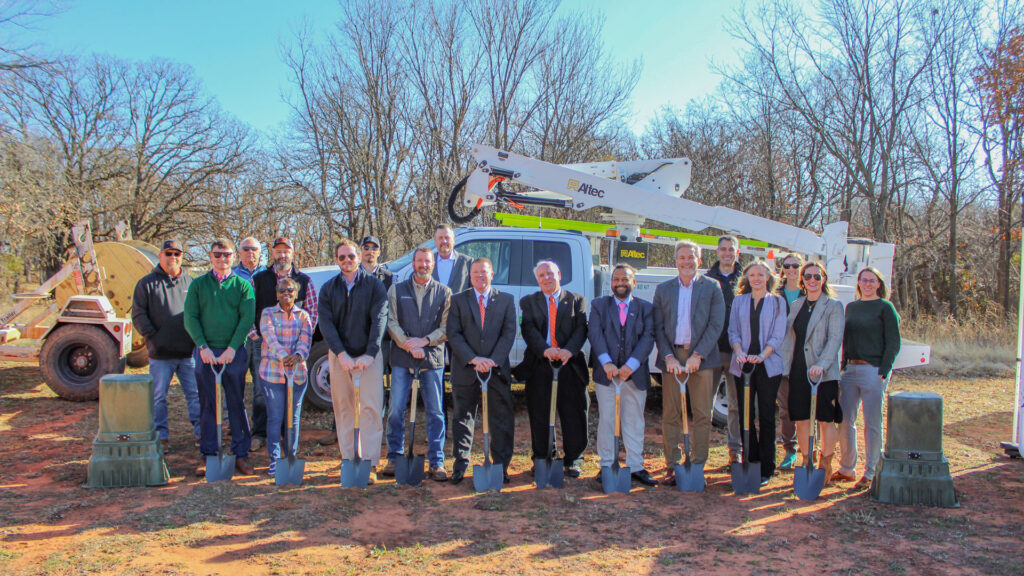
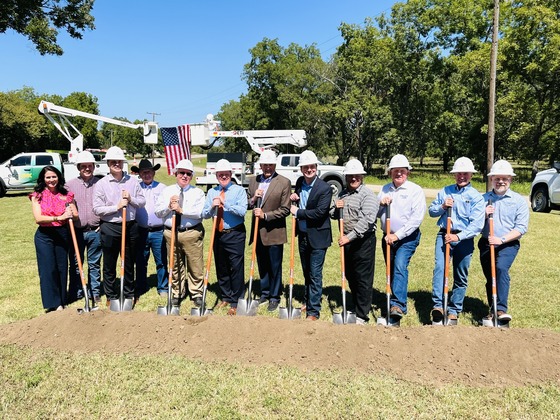
Four projects totaling $24.6 million for high-speed internet expansion were officially launched Monday morning in Wellston by the Oklahoma Broadband Office (OBO) and internet service provider Centranet.

The projects, funded through $16.4 million in federal grants administered by the OBO coupled with $8.2 million in matching contributions from Centranet, will connect 1,940 homes and businesses with broadband internet using fiber optic technology. The awards from ARPA State and Local Fiscal Recovery Funds (SLFRF) were made earlier this year by the Oklahoma Broadband Governing Board.

Monday’s event provides a few examples of the progress being made statewide to get high-speed internet access to all Oklahomans. Centranet projects are scheduled in Lincoln, Logan, Oklahoma and Payne counties.

The Lincoln County project, which includes Wellston, totals $9.4 million and will connect almost 1,000 homes and businesses to high-speed internet. OBO and Centranet officials, along with local legislators and municipal officials attended the event.

“Today’s launch is more than just the laying of fiber – it’s the foundation for opportunity, growth, and connectivity in every corner of Oklahoma. With each mile of broadband we expand, we’re not just bridging a digital divide, we’re empowering our communities for a brighter, more prosperous future,” said OBO Executive Director Mike Sanders.

“Centranet is thrilled to partner with the Oklahoma Broadband Office to bring high-speed internet to underserved communities across the state,” said Mark Prather, Centranet President. “This project is more than just infrastructure; it’s an investment in Oklahoma’s future and is a catalyst for economic growth and job creation in Oklahoma. By improving connectivity, we’re attracting new businesses, fostering innovation, and creating opportunities for Oklahomans. Centranet is proud to play a role in shaping a brighter future for our great state.”

ARPA-SLFRF-awarded grant projects will result in some 50,000 homes and businesses statewide being served with affordable and reliable high-speed internet. But the growth of broadband access across Oklahoma is just beginning.

In September, the Governing Board gave tentative approval to more than $159 million in ARPA Capital Projects Fund grants to 12 internet service providers for 50 projects in 28 counties.

ISPs are now competing for more than $750 million in additional grant funds through the Broadband Equity Access and Deployment (BEAD) program.

With tens of thousands of locations to be served through OBO administered programs, the office is on pace to complete its mission of achieving statewide coverage.

Wi-Fi Meets Vintage in One-of-a-kind Mercantile

Flat Armadillo Trading Co. rests in the heart of Purcell, OK’s bustling Main St. The sign over the door advertises antiques, vintage items and home décor, but thanks to dependable Wi-Fi, the store provides a much broader shopping experience.

Owner Ashley Huff founded the business in January 2021 after failing to find booth space elsewhere. When the 134 W Main St building became available, she and her husband saw the perfect opportunity to turn their love of “junking” into a profitable business.

Walking through the space today, it’s hard to believe it was once the local feed store. An array of bright colors and lively music have replaced bags of feed pellets and seeds, giving the store new life around every corner.

“Customers can expect to find a fun, family-friendly, exciting atmosphere,” said Huff. “We always try to keep it light.”

The shop’s over 40 vendors inhabit booths that were hand-built by Huff’s husband. Each one offers its own brand of adventure while catering to the vendor’s style and the community’s needs.

“(We) serve the community with whatever they need,” Huff said. “We have boutiques, antiques, vintage and home decor. We even have a small fishing section. Everything that anyone could want.”

With such an eclectic offering, it’s easy to see why this growing business needs reliable internet.

“Everything to run this place runs on Wi-Fi,” Huff said. “My computer, my printer, my security camera, our credit card machine… everything (uses Wi-Fi).”

With so many crucial functions depending on the internet, OEC Fiber’s service proves vital for this business.

“With our old internet provider, the wind blew too hard, and it would go down. It was slow. I can count on my fiber internet now with OEC. I haven’t had any issues with it, and that is the honest truth.”

Besides speed and reliability, Huff particularly appreciates OEC Fiber’s commitment to communicating with our subscribers.

“That is the number one thing,” Huff said. “They communicate what they’re going to do, when they’re going to do it, and how they’re going to do it. If they need to work on it or something has happened, they send an email. They let you know what’s happening. And that’s what I really love.”

With clear communication and reliable internet service, Flat Armadillo Trading Co. brings various goods to Purcell. Their light-hearted atmosphere and desire to serve sets them apart in the world of breathing new life into older things.

Arkansas Valley Electric Cooperative Receives $18 Million to Modernize grid.

Arkansas Valley Electric Cooperative Corporation (AVECC) has been awarded $18 million by the U.S. Department of Energy (DOE) to bolster its grid infrastructure and enhance affordable, clean energy delivery to Oklahoma and Arkansas River Valley communities. The funding, part of the Grid Resilience and Innovation Partnerships (GRIP) Program, will support AVECC’s “Beyond AMI to True Grid Intelligence with Distributed Automation” project, focusing on smart grid technology implementation.

This significant investment comes at a crucial time, as extreme weather events increasingly strain the nation’s aging power grid. 

AVECC CEO Al Simpson underscored the cooperative’s dedication to grid resiliency and modernization. Since initiating its Smart Grid project in 2018 by launching AVECC’s fiber subsidiary, Wave Rural Connect, AVECC has laid the groundwork by integrating fiber optic communications into its electrical system. This new funding will accelerate the cooperative’s goal of providing its members safe, reliable, and affordable power.   

The GRIP program, funded by the Bipartisan Infrastructure Law and administered by the DOE’s Grid Deployment Office, aims to improve grid flexibility and resilience against extreme weather threats. By leveraging federal and private investments, the program supports communities in building reliable grids capable of withstanding severe weather while promoting affordable, clean energy and fostering local economic growth and job creation.   

AVECC’s project will implement cutting-edge smart grid technologies to enhance the efficiency, reliability, and flexibility of its distribution grid. 

AVECC System Engineer Samantha Renard explained that new funding will create a next-generation metering platform. This platform will enhance data collection and analysis, incorporate improvements to breakers and regulators, and ultimately result in a more reliable and efficient grid.

This improved system will have tangible benefits for AVECC members. Renard explained that by “getting real data in,” the cooperative can “actually take that data and determine what’s going on in the field.” These advancements allow AVECC to proactively address outages “without having to wait for a phone call,” leading to faster isolation and resolution of issues, ultimately providing “a more reliable system to hopefully keep the lights on.”

Chris Howe, AVECC Engineering Manager, clarified that the data collected is not invasive. He explained that the information is in two parts. “One part involves gaining visibility on the grid of our devices, such as regulators and reclosers, to understand system loading and balancing better. The other part focuses on providing members with more of their own information. The new metering platform will offer members greater insight into their energy usage, moving beyond the current “one-hour intervals” to provide more granular data.”

 Investing in the “Beyond AMI Grid Intelligence with Distributed Automation” project will benefit AVECC’s members while strengthening the nation’s power grid.

ecoLINK fiber services kickoff high-speed internet expansion in Creek County

Two high-speed internet expansion projects worth $4.8 million were launched Tuesday afternoon in the town of Slick in Creek County by the Oklahoma Broadband Office (OBO) and ecoLINK fiber services.  

The projects, funded through $2.9 million in federal grants administered by the OBO coupled with $1.9 million in matching funds from ecoLINK, a subsidiary of East Central Electric Coop, will connect 265 homes and businesses in Creek County with broadband internet using fiber optic technology. The awards from ARPA State and Local Fiscal Recovery Funds (SLFRF) were made earlier this year by the Oklahoma Broadband Governing Board. 

Tuesday’s event illustrates the progress being made statewide to get high-speed internet access to all Oklahomans. In Creek County, six separate SLFRF grants were awarded to five internet service providers (ISPs) to connect 1,602 locations with broadband service. The grant awards total $9.8 million and will be boosted by $22.4 million in matching funds provided by the companies. 

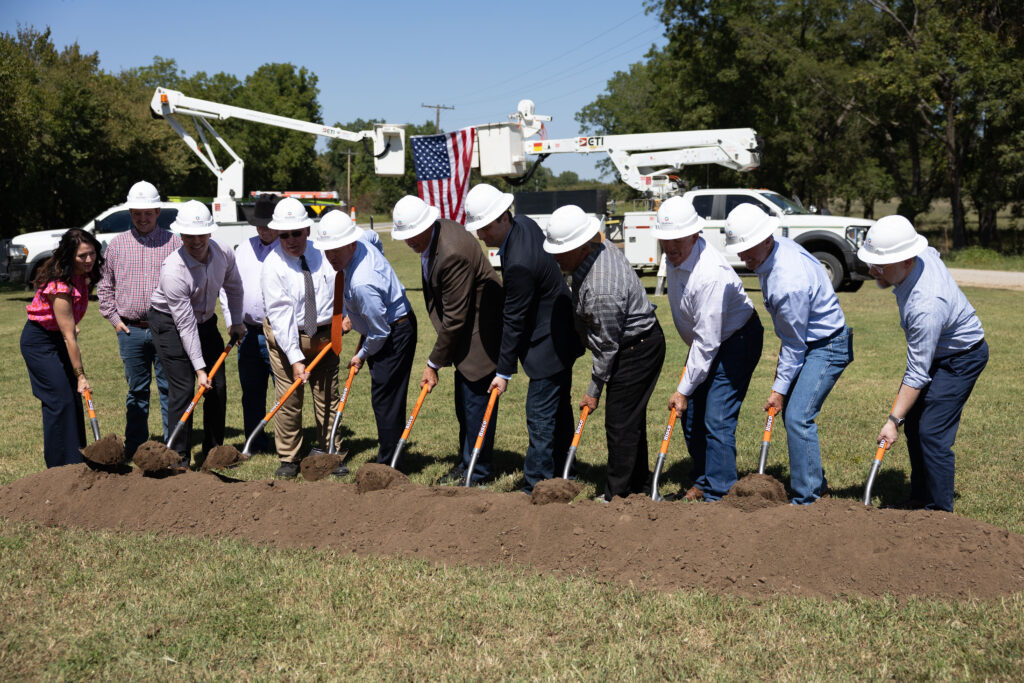
Joined by state legislators, county officials and staff of Oklahoma’s congressional delegation, Broadband Governing Board Chair Jim Meek, Broadband Office Executive Director Mike Sanders and ecoLINK/East Central Electric Chief Executive Officer Tim Smith broke ground in Slick, a town of about 150 people southwest of Tulsa.

“Bringing high-speed internet service to Slick illustrates the exact purpose of our efforts and marks a pivotal step in bridging the digital divide for rural Oklahoma,” said Dr. Jim Meek, chair of the state’s Broadband Governing Board. “This work will not only enhance connectivity but also empower the local community with new opportunities for progress and development.”

“Expanding broadband access in Slick and throughout rural Oklahoma will unlock new opportunities for education, healthcare, and business, fostering growth and innovation,” said OBO Executive Director Mike Sanders. “This investment ensures that every resident can get connected and thrive in the modern digital age.”

“This project is similar to when the co-ops first brought electricity to rural homes and farms. It made such a difference in the lives of those who had been overlooked or refused service,” said Tim Smith, Chief Executive Officer of East Central Electric. “Now, over 85 years later, we are able to provide another valuable service to households across our territory thanks to the help of the Oklahoma Broadband Office.”

When completed, ARPA-SLFRF-awarded grant projects will result in some 50,000 homes and businesses statewide being served with affordable and reliable high-speed internet. But the growth of broadband access across Oklahoma is just beginning. 

ISPs are currently competing in the Capital Projects Fund (CPF), which has $159 million available for infrastructure projects. Some 150 competitive proposals have been submitted by nearly 40 different companies.

Following CPF, ISPs will compete for more than $750 million in additional grant funds through the Broadband Equity Access and Deployment (BEAD) program.

With tens of thousands of locations to be served through OBO administered programs, the office is on pace to complete its mission of achieving statewide coverage.

BOLT Launch high-speed internet expansion in rural northeastern Oklahoma

Watch a recap of the day’s groundbreaking here!

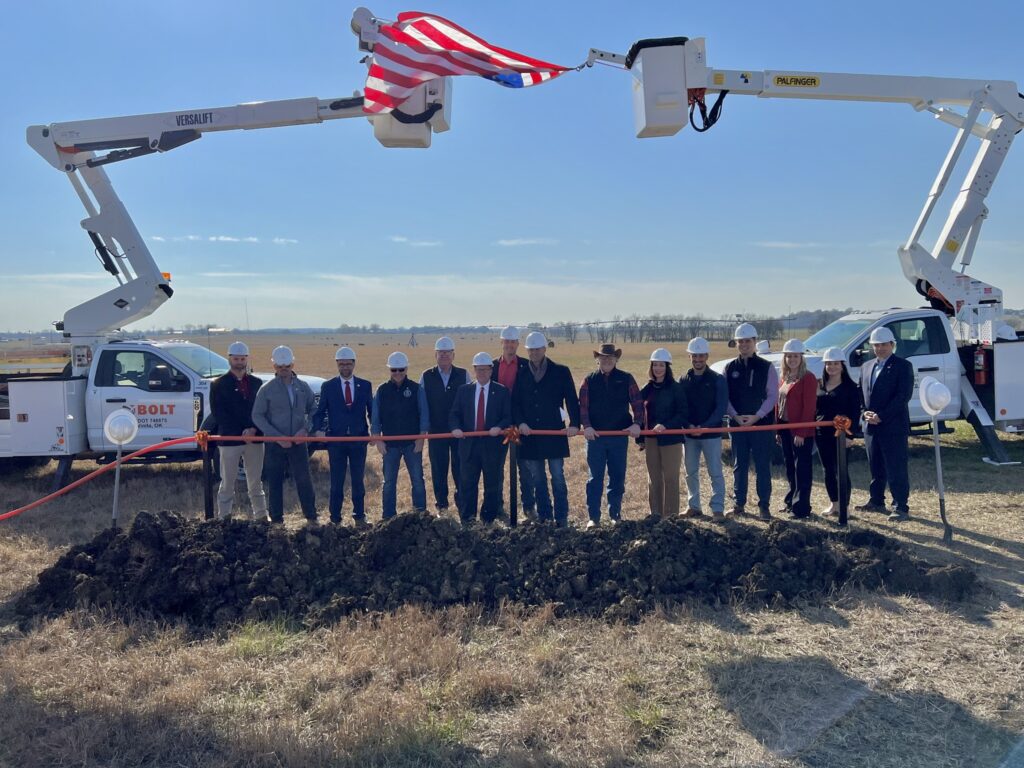
Four projects totaling $27.7 million for high-speed internet expansion were officially

launched Wednesday morning near Vinita by the Oklahoma Broadband Office (OBO) and BOLT Fiber, a subsidiary of Northeast Rural Services, Inc., a division of Northeast Oklahoma Electric Cooperative (NOEC).

The projects, funded through $22.1 million in federal grants administered by the OBO coupled with $5.6 million in matching funds from BOLT Fiber, will connect 2,984 homes and businesses with broadband internet using fiber optic technology. The award from ARPA State and Local Fiscal Recovery Funds (SLFRF) was made earlier this year by the Oklahoma Broadband Governing Board.

Wednesday’s event is but one example of the progress being made statewide to get high-speed internet access to all Oklahomans. BOLT Fiber projects are scheduled in Delaware, Craig, Mayes, and Ottawa counties.

OBO and BOLT Fiber officials, along with local legislators and municipal officials attended the event in Craig County.

“Today’s launch is more than just the laying of fiber – it’s the foundation for opportunity, growth, and connectivity in every corner of Oklahoma. With each mile of broadband we expand, we’re not just bridging a digital divide, we’re empowering our communities for a brighter, more prosperous future,” said OBO Executive Director Mike Sanders.

“There are many individuals and entities to thank for this achievement,” remarked BOLT Fiber CEO and NOEC General Manager Daniel Webster. “Significant effort was made behind the scenes to secure this important funding and we are thankful for all who helped make it happen.”

Added Webster: “The potential now exists for thousands more living here in northeast Oklahoma to access high-speed broadband internet. Many who have been waiting patiently for fiber-based services won’t be waiting much longer. This project will ensure the continued growth of our communities by helping solidify future employment and educational opportunities.”

ARPA-SLFRF-awarded grant projects will result in some 50,000 homes and businesses statewide being served with affordable and reliable high-speed internet. But the growth of broadband access across Oklahoma is just beginning.

Late last month, the Governing Board gave tentative approval to more than $158 million in ARPA Capital Projects Fund grants to 12 internet service providers for 50 projects in 28 counties.

Now, ISPs are competing for more than $750 million in additional grant funds through the Broadband Equity Access and Deployment (BEAD) program.

With tens of thousands of locations to be served through OBO administered programs, the office is on pace to complete its mission of achieving statewide coverage.

The co-op way: empowering lives with reliable broadband

Decades ago, quality of life in rural Oklahoma and rural America blossomed with first-time access to electricity. Rural electric cooperatives energized sparsely populated communities bringing vitality and prosperity.

Today’s generations in rural America meet a different challenge: they need reliable access to broadband to foster that same vitality and prosperity in the communities they call home. Once again, electric cooperatives rise up to meet a vital need, delivering high-speed broadband to the unserved and underserved.

Collectively, 10 distribution electric cooperatives with fiber subsidiaries maintain more than 22,000 miles of fiber line, serving more than 127,500 households and impacting quality of life for more than 318,750 Oklahomans.
These cooperatives have banded together to form the Cooperative Broadband Coalition (CBC) to advance the mission of rural broadband and to collectively represent the interests of those they serve. 

The CBC is an independent organization that is affiliated with the statewide association, the Oklahoma Association of Electric Cooperatives (OAEC), which is voluntarily supported by 30 member-systems: 27 distribution electric cooperatives and three generation and transmission electric cooperatives.
“Electric cooperatives exist to serve their member-owners,” said Chris Meyers, OAEC general manager. “This is an extraordinary display of ‘Concern for Community,’ one of the seven cooperative guiding principles. This essential service brings a significant positive impact to rural areas.”

The electric cooperative business model is based on member ownership and the delivery of a service that benefits all members. While conditions are unique for every electric cooperative, the co-ops that have been able to form a fiber subsidiary were able to do so based on accessibility of grants and other favorable economic conditions. A few other electric cooperatives are actively pursuing the formation of a fiber subsidiary while others partner with existing providers, when feasible, to extend service to their rural membership. 
This is what we call the cooperative difference.

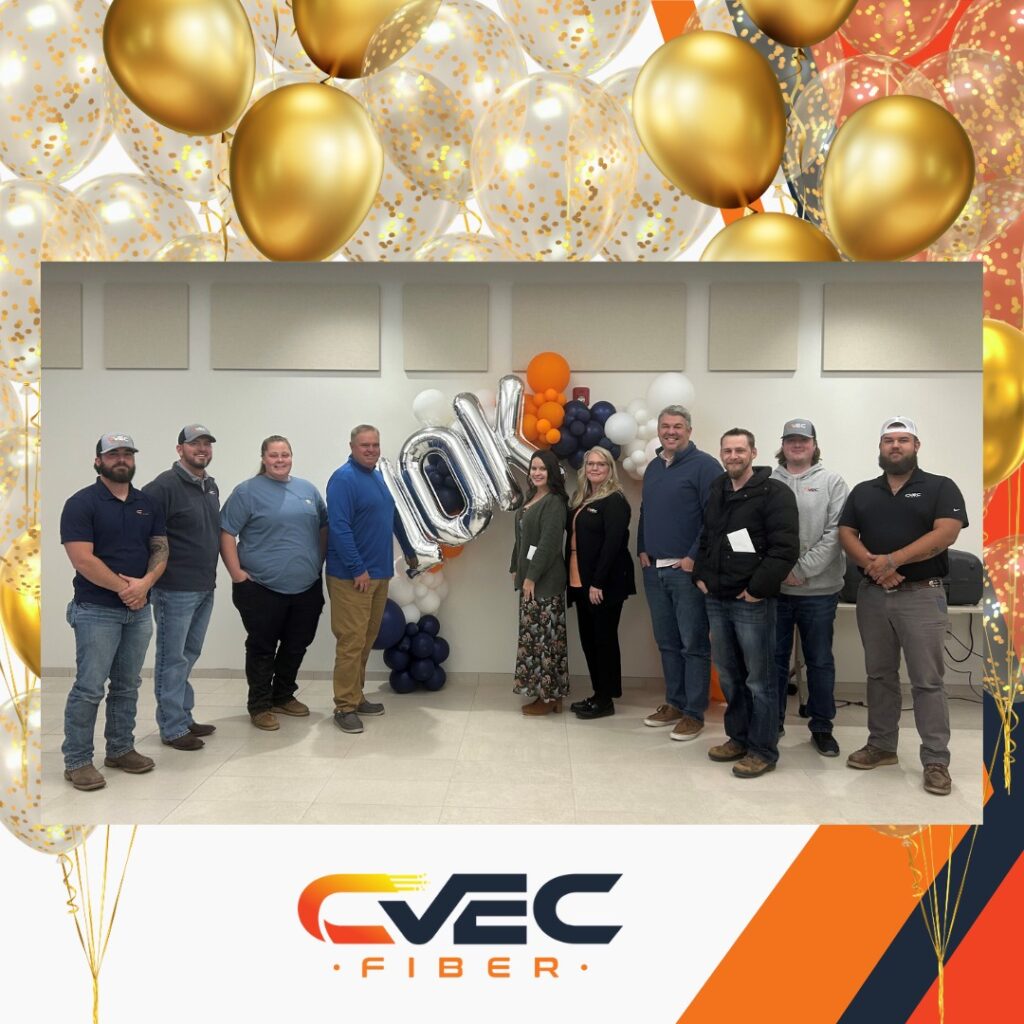
CVEC Fiber Reaches Milestone of 10k Subscribers

CVEC Fiber proudly announces that it has reached a significant milestone of 10,000 subscribers. This achievement underscores our commitment to providing reliable, high-speed internet access to the rural communities we serve, which follow the cooperative model.
When the fiber build was first initiated in 2021, a six-year timeline for completion was projected. However, due to the support of outstanding partners and the unwavering dedication of the team, we are on track to finish ahead of schedule.

“We are thrilled to have reached this important milestone, which reflects the growing demand for high-speed internet services,” says Sheila Allgood, General Manager, CVEC Fiber. “Our goal is to complete our on-system build by the end of 2025, allowing even more residents and businesses to experience the benefits of reliable internet connectivity.”

Construction is nearing completion in Phase 3, with splicing crews wrapping up the last few feeders. Phase 4 is approximately 25% complete, and we are on track to finish all construction by mid-2025. Splicers will continue working beyond that to bring all feeders online, with full activation anticipated by the end of 2025.

CVEC Fiber remains dedicated to bridging the digital divide and looks forward to bringing the benefits of high-speed internet to even more residents in the coming phases of this transformative project. For information on CVEC Fiber availability, packages, and pricing, call 405-382-3680 or visit cvecfiber.com. 

About CVEC Fiber
CVEC Fiber is a leading provider of high-speed fiber-optic internet and advanced communication services, dedicated to enhancing the connectivity and well-being of its customers and the rural communities they serve. Their commitment to delivering exceptional services and innovative solutions has garnered them recognition in the electric and broadband industry and beyond. CVEC Fiber is a subsidiary of Canadian Valley Electric Cooperative.

CBC hosts second annual Connected Oklahoma – Rural Broadband Summit

Image Not Found

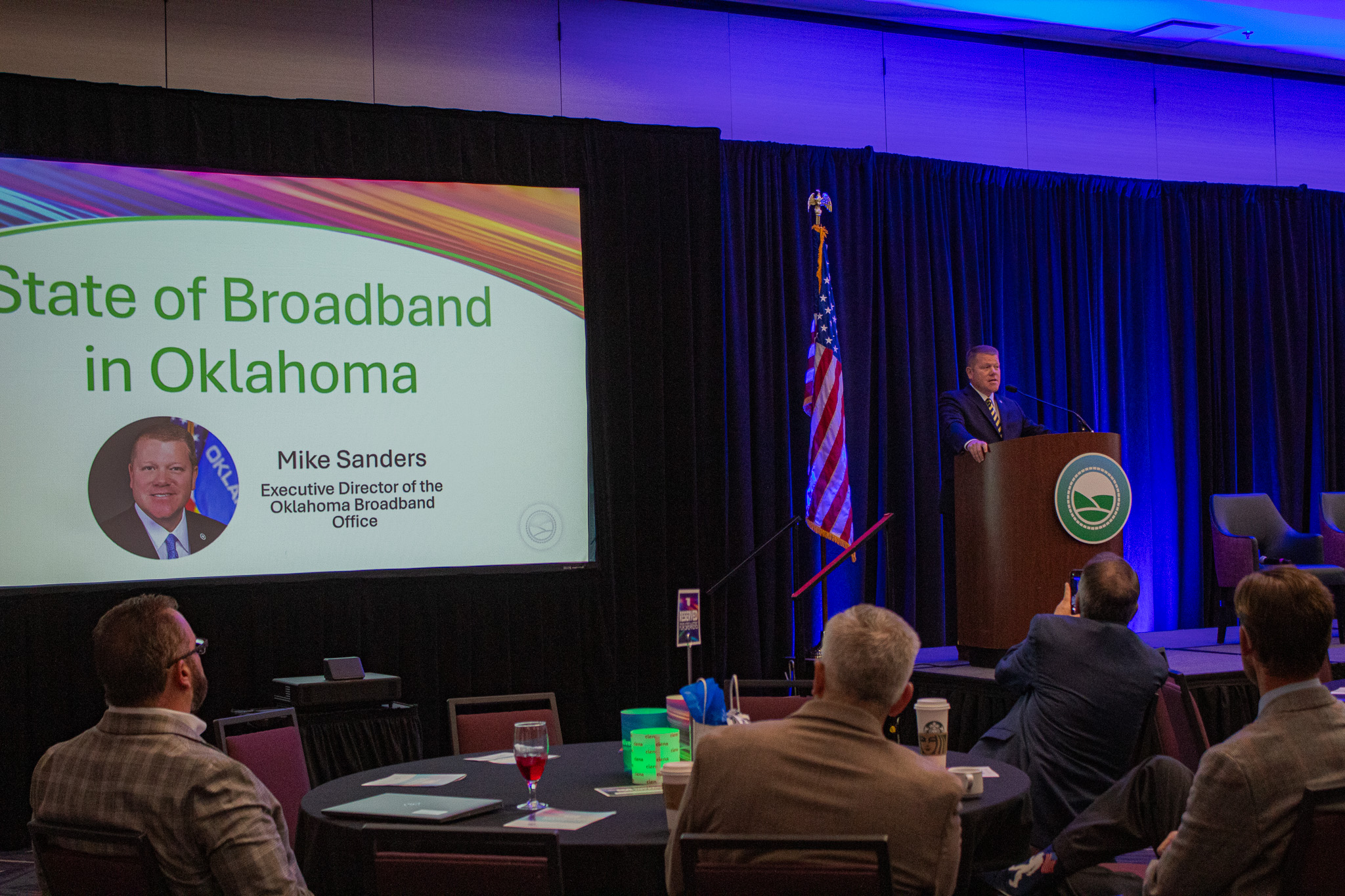
More than 200 guests and speakers from 30 states and Canada attended the Cooperative Broadband Coalition’s second annual Connected Oklahoma – Rural Broadband Summit in Oklahoma City on October 8-9, 2024. The CBC brought together rural network operators, public officials, tribal nations, speakers and vendors to discuss opportunities to better serve broadband in rural areas.

The Oklahoma Broadband Office Executive Director Mike Sanders attended and was among the prestigious group of speakers. “Nineteen out of every 20 unserved and underserved homes in Oklahoma are outside of Oklahoma City and Tulsa,” Sanders said. “Without the hard work of organizations in this room, serving rural Oklahoma would not get done.”

The Oklahoma Broadband Office administers federal grant programs to ensure reliable and affordable, high-speed internet is available to all Oklahomans.

“To date, the governing board has awarded half a billion dollars to service providers to perform the work,” Sanders said. “We have over $750 million dollars that will go out next year.”

In addition to Mike Sanders, attendees heard from Shirley Bloomfield, CEO of NTCA – The Rural Broadband Association; Gigi Sohn, Executive Director of the American Association of Public Broadband; Sarah Bleau, Director of the Middle Mile Program for the National Telecommunications and Information Administration; Christopher Ali, Professor of Telecommunications at Penn State; and many others.

Directors of the Arkansas, Virginia, New Mexico and Kansas broadband offices provided updates on how their states are deploying Broadband Equity, Access and Deployment (BEAD) funding. Some topics discussed included: smart grids and broadband, the Universal Service Fund, middle mile, rural innovation and interagency mapping coordination.

The CBC unites 11 electric cooperatives with fiber subsidiaries in the state of Oklahoma. Collectively, these cooperatives have built more than 22,000 miles of fiber and serve 300,000 Oklahomans in rural areas. This is a significant achievement and investment in the quality of life for rural Oklahoma and the state’s economy. Visit cooperativebroadband.coop for more information.

Oklahoma Broadband Office, ecoLINK fiber services kickoff high-speed internet expansion in Creek County

SLICK – Two high-speed internet expansion projects worth $4.8 million were launched Tuesday afternoon in the town of Slick in Creek County by the Oklahoma Broadband Office (OBO) and ecoLINK fiber services. 

The projects, funded through $2.9 million in federal grants administered by the OBO coupled with $1.9 million in matching funds from ecoLINK, a subsidiary of East Central Electric Coop, will connect 265 homes and businesses in Creek County with broadband internet using fiber optic technology. The awards from ARPA State and Local Fiscal Recovery Funds (SLFRF) were made earlier this year by the Oklahoma Broadband Governing Board.

Tuesday’s event illustrates the progress being made statewide to get high-speed internet access to all Oklahomans. In Creek County, six SLFRF grants were awarded to five internet service providers (ISPs) to connect 1,602 locations with broadband service. The grant awards total $9.8 million and will be boosted by $22.4 million in matching funds provided by the companies.

OBO officials, along with local legislators, ecoLINK employees and staff of Oklahoma’s congressional delegation attended the groundbreaking in the town of about 150 people southwest of Tulsa.

“Bringing high-speed internet service to Slick illustrates the exact purpose of our efforts and marks a pivotal step in bridging the digital divide for rural Oklahoma. This work will not only enhance connectivity but also empower the local community with new opportunities for progress and development,” said Dr. Jim Meek, chair of the state’s Broadband Governing Board.

“Expanding broadband access in Slick and throughout rural Oklahoma will unlock new opportunities for education, healthcare, and business, fostering growth and innovation. This investment ensures that every resident can get connected and thrive in the modern digital age,” said OBO Executive Director Mike Sanders.

“The Legislature directed grant funds be used for expanding broadband access because we recognized the crucial need for economic growth and educational opportunities in this district and throughout the state. By connecting our communities to the resources they need, we help them to prosper in the modern economy and ensure that no one is left behind,” said House Speaker Pro Tempore Kyle Hilbert, R-Bristow.

“This groundbreaking in Slick is a testament to the Legislature’s commitment to rural revitalization through strategic investments. By ensuring the availability of high-speed internet, we are laying the foundation for sustained economic growth and improved quality of life in Creek County and across Oklahoma,” said Senator Roger Thompson, R-Okemah.

“This project is similar to when the co-ops first brought electricity to rural homes and farms. It made such a difference in the lives of those who had been overlooked or refused service. Now, over 85 years later, we are able to provide another valuable service to households across our territory thanks to the help of the Oklahoma Broadband Office,” said Tim Smith, Chief Executive Officer of East Central Electric.

ARPA-SLFRF-awarded grant projects will result in some 50,000 homes and businesses statewide being served with affordable and reliable high-speed internet. But the growth of broadband access across Oklahoma is just beginning.

ISPs are currently competing in the Capital Projects Fund (CPF), which has $159 million available for infrastructure projects. Some 150 competitive proposals have been submitted by nearly 40 different companies.

Following CPF, ISPs will compete for more than $750 million in additional grant funds through the Broadband Equity Access and Deployment (BEAD) program.

With tens of thousands of locations to be served through OBO administered programs, the office is on pace to complete its mission of achieving statewide coverage.