CBC hosts successful MidAmerica Connect Broadband Summit

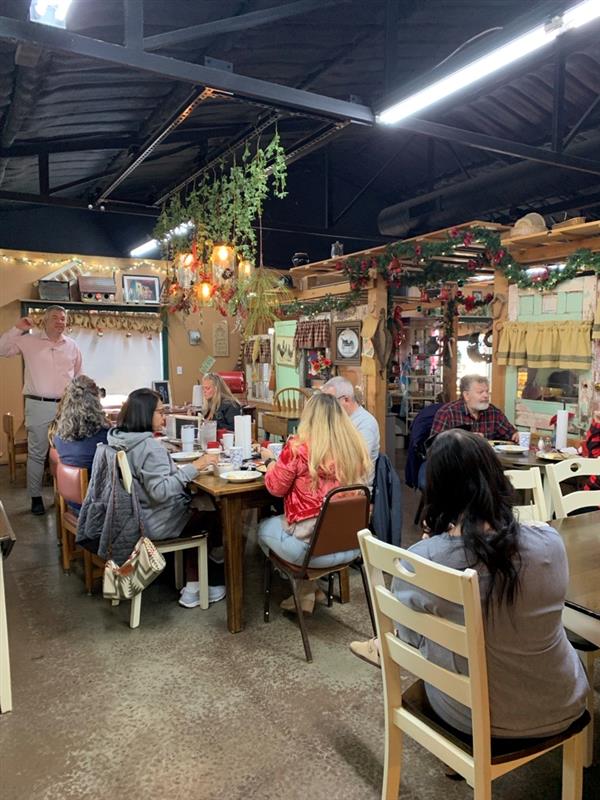
The Cooperative Broadband Coalition brought together broadband leaders, policymakers and innovators from across the country to explore the future of rural connectivity at MidAmerica Connect Broadband Summit on March 24-25, 2026, in Oklahoma City. The two-day event took place at the Embassy Suites by Hilton Oklahoma City Northwest and attracted 150 attendees representing electric cooperatives, telecommunications providers, tribal nations and government agencies.

The 2026 summit featured author, keynote speaker and Oklahoma-native Brittany Hodak, along with a lineup of industry experts and thought leaders. Sessions covered a wide range of topics shaping the broadband landscape, including network operations, artificial intelligence, marketing, finance and smart grid technology.

Oklahoma Broadband Office Executive Director Mike Sanders gave an update on the state of broadband in Oklahoma, and Oklahoma Secretary of Agriculture Blayne Arthur discussed the benefits of broadband to the ag sector.

In addition to keynote presentations, attendees heard panel discussions and attended networking opportunities designed to foster collaboration and share best practices for expanding high-speed internet access in rural communities. The event highlighted the critical role broadband plays in economic development, education, healthcare and grid modernization.

The CBC unites 11 electric cooperatives with fiber subsidiaries in the state of Oklahoma. Collectively, these cooperatives have built more than 23,000 miles of fiber and serve 330,000 Oklahomans in rural areas. This is a significant achievement and investment in the quality of life for rural Oklahoma and the state’s economy. Visit cooperativebroadband.coop for more information.
brittany hodak
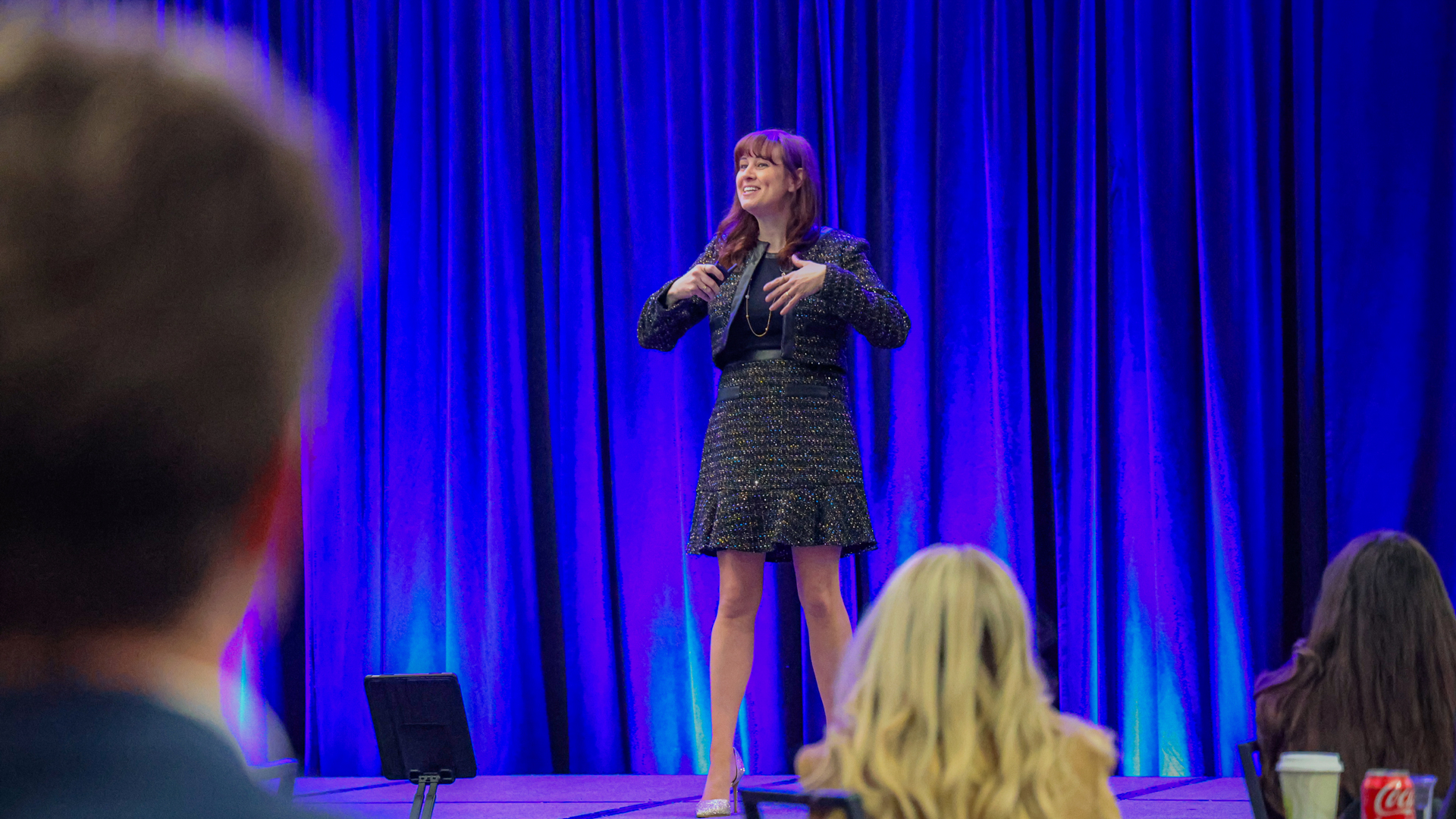
Author and keynote speaker, Brittany Hodak, shared how companies can turn customers into super fans.

Sac & Fox Nation, Centranet celebrate opening of Centranet in Cushing

CUSHING, OK –Sac and Fox Nation and Centranet celebrated the opening of fiber to the home to Cushing residents Wednesday with a ribbon cutting at the Cushing Chamber of Commerce.

Funded by a National Telecommunications and Information Administration grant under the Tribal Broadband Connectivity Program, Cushing is part of a project that will make gigabit internet available throughout all tribal lands of Sac and Fox Nation.

“We’re really excited about this opportunity,” said Principal Chief Audrey Lee, Sac and Fox Nation. “This project is going to connect tribal members in our rural areas such as Cushing, Agra and Stroud.”

The event, attended by community leaders and citizens, showcased the working relationships among Centranet, the Sac and Fox Nation and the City of Cushing. It also highlighted the opportunities broadband will bring to Cushing residents.

“Fiber broadband may not pump through pipelines,” said Mark Prather, President of Centranet, “but it moves something just as powerful – opportunity. It connects students to classrooms, patients to doctors and businesses to customers all over the world. And it keeps families connected right here at home. So today, we’re not just lighting up fiber, we are lighting up the future of Cushing.”

The Cushing project will open to residents in four phases, the first of which opened Wednesday. For more information or to see if Centranet is available to you, visit centranetfiber.com.

Image Not Found

Celebrating, 14,000 Fiber Internet Subscribers

Pictured left to right in Lake Region’s new fiber dispatch tech center: Gloria Shankle, Jarrod Welch, Josh Buechele, Brian Kolb, Zade Younes, Cody Abbott, Riley Ford, Larry Setters, Glen Clark, Larry Mattes, Gregory Salley, Deidra Terrell, Anthony Lyons, and JuaNita Keener.

HULBERT, OKLA. – Lake Region Technology & Communications (LRTC), a rural broadband provider based in Hulbert, has officially surpassed 14,000 subscribers, marking a significant milestone in its mission to bring high-speed fiber internet to Cherokee, Wagoner, and parts of Muskogee and Mayes County.

“This milestone proves Lake Region Fiber is a leader in high-speed internet for our region,” said Larry Mattes, Director of Marketing. “If our local, reliable, and crazy-fast internet weren’t needed, we wouldn’t have this many subscribers. Families and businesses today need a dependable connection they can count on, and Lake Region is here to provide that. We’re grateful to our loyal customers for helping make this service a success.”

Lake Region Fiber’s growth and impact have not gone unnoticed. The company has been recognized as a six-time winner of the Tahlequah Daily Press “Best of the Best” Internet Provider award, as voted on by readers.

From the start, Lake Region’s mission has been clear: to bridge the digital divide by delivering reliable fiber internet to underserved rural communities. Leadership credits the cooperative’s success to the combined efforts of employees across both its electric and fiber divisions.

“The cooperative spirit is alive at Lake Region,” Mattes added. “We are reinvesting in the communities we serve and ensuring that small towns and rural residents are not left behind in the digital world.”

Jarrod Welch, Director of Broadband Operations, emphasized that Lake Region’s broadband success is built on the strong foundation of its parent company, Lake Region Electric Cooperative. “As a locally owned internet service provider, our people, our dedication to customer service, and our forward-looking vision set us apart from competitors and make all the difference,” Welch said. “We live here, work here, and use these services ourselves. We are committed to reliability and the trust we build with our community.”

Looking ahead, Lake Region Fiber plans to complete its buildout in the town of Fort Gibson and partner with new housing developments to further extend its fiber service.

Fiber is now in Tecumseh!

Exciting news for Tecumseh businesses—CVEC Fiber is now delivering high-speed internet and reliable phone service to businesses along Broadway and Walnut Street!

This is a game-changer for local businesses, offering fast, dependable connectivity to enhance efficiency, communication, and customer service. Whether you’re managing daily operations, hosting virtual meetings, or handling high-volume transactions, CVEC Fiber provides the speed and reliability  needed to keep things running smoothly and support local economy.

“We are excited to bring CVEC Fiber to businesses in Tecumseh,” said Sheila Allgood, General Manager of CVEC Fiber. “Reliable internet and phone service are essential for business success, and we are proud to offer a solution that helps local businesses stay connected and competitive.”

No more dropped calls or sluggish connections—just seamless, business-quality service that helps local businesses thrive. 

Fiber is for The Birds

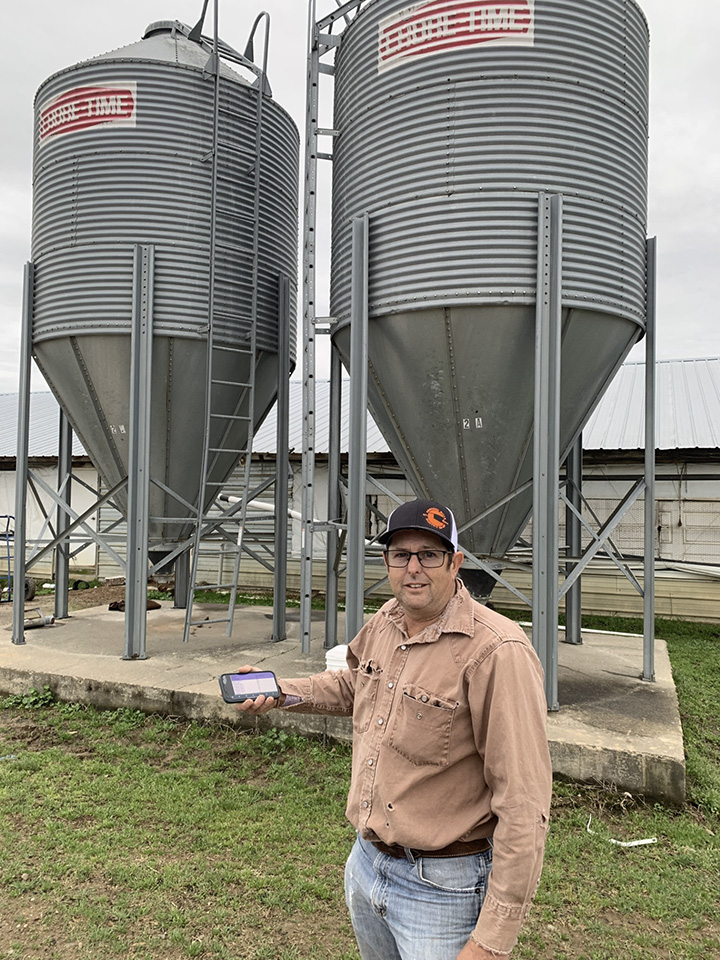
Let’s take a trip back nearly 30 years. It was 1996, and Brian and LaSheil Knowles decided to invest in building poultry barns on their ranch near Keota, Oklahoma. Technology wasn’t as prominent back then, and poultry producers spent countless hours at the barns.

Over the years, technology and automation have grown exponentially. Automatic feeders, climate-controlling mechanisms, notification alarms, and other features have made the industry more efficient. With the new technology, growers could take care of many farm duties from the luxury of their office computers. In more recent years, new technology has allowed growers to control things such as feeding times, fans, various ventilation, and other functions from their mobile phones.

These advances have allowed these hard-working families to essentially “cut the cord” and no longer plan on being tied down to the barns all day and night. There is only one catch: this was only possible if you were fortunate enough to have fast and reliable internet services, which were essentially non-existent. Insert Cookson Hills Connect, a subsidiary of Cookson Hills Electric Cooperative, that now offers true fiber optic services to all its members. No matter how many miles down a dirt road, Cookson Hills Connect is there to help close the gap in the digital divide.

“We had internet before, but we just didn’t have the high-quality technology and speeds that allowed us to do what we needed when away from the barns. Since signing up with Cookson Hills Connect, we can do so many things straight from our phones.”, said Brian. “I was in OKC last week and received a notification on my phone about a feeder being low. I was able to log into our system and feed the birds with my phone using the wi-fi from our office on the farm. I’ve even done the same thing while I was in San Diego, California. That certainly wasn’t an option in the past.”

Since Cookson Hills Connect started providing fiber to their rural members, stories similar to this one are more common among rural Oklahomans. Cooperatives just like Cookson Hills have made significant investments to better serve their rural members with electricity and now fiber optic services.

“Cookson Hills Connect now allows our family more time to focus on our cattle operation and other things that need attention without being tied down to our poultry barns. In fact, fiber internet is one of the greatest things that has ever happened to rural Oklahoma. And you can quote me on that!” said Knowles.


Lake Region Announces High-Speed Fiber Internet Expansion in Fort Gibson

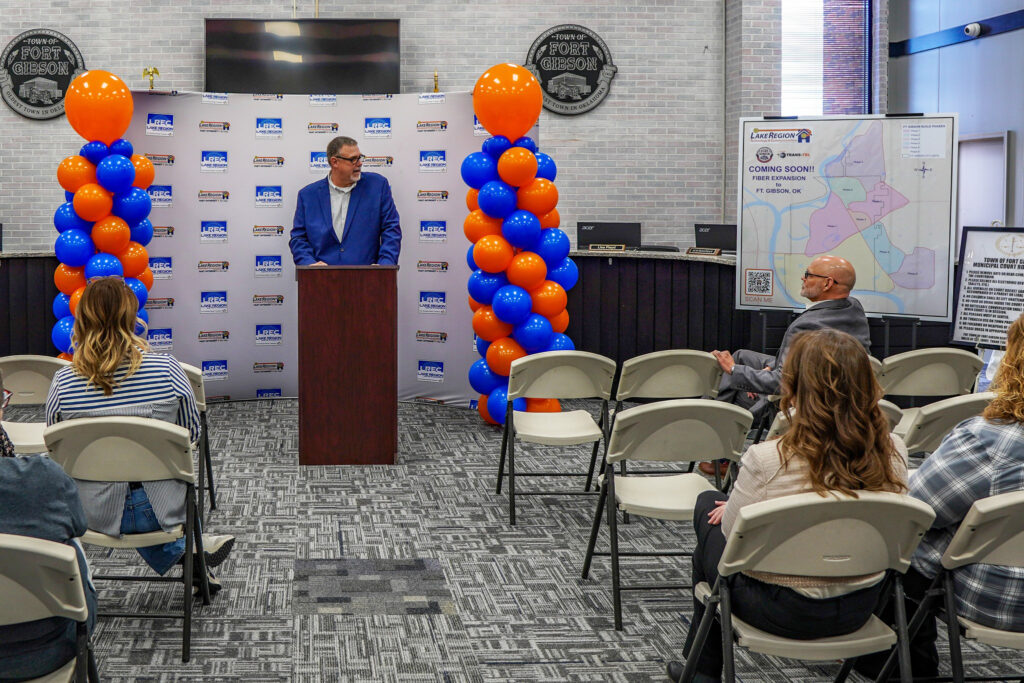
FORT GIBSON, OK – Lake Region Electric Cooperative (LREC) subsidiary, Lake Region Technology and Communications (LRTC), has officially announced the expansion of high-speed fiber optic internet and home phone services to the Town of Fort Gibson. This significant infrastructure investment will provide speeds starting at 100 Mbps and reaching up to 2.5 Gbps, bringing cutting-edge connectivity to local residents and businesses.

The announcement was made during a press conference held at Fort Gibson City Hall on March 7, 2025, with LRTC representatives, local legislators, town officials, community members, and selected contractors in attendance.

“The co-op business model is alive and well, as Lake Region is building an essential service to an underserved town—just as the cooperative originally did when it brought electricity to rural Cherokee and Muskogee counties,” said Glen Clark, Director of Marketing and Member Services. “We are passing around 1,700 homes, which will now have access to reliable, local fiber internet.”

LRTC is making a substantial investment in Fort Gibson, marking its first major off-system fiber build. The project includes nearly 80 miles of underground mainline fiber, covering the entire city limits as well as some rural areas outside the town. Construction will be carried out in six phases, with each phase expected to take approximately 45-60 days. Service will become available as each phase is completed, spliced and tested.

“It is an honor to equip Oklahoma’s oldest town with broadband service that rivals, if not surpasses, that of the largest metropolitan areas in the state,” said Hamid Vahdatipour, Lake Region CEO. 

Future customers in Fort Gibson can visit www.LakeRegionFiber.com to check which phase their address falls under and to view construction timelines. LRTC encourages residents and businesses to pre-register for service while construction crews are on-site to expedite fiber line connections. Once crews leave the area, new service requests may take longer to fulfill.

Lake Region is proud to partner with the Town of Fort Gibson and excited to begin construction this month. For more information or to pre-register for service, please visit www.LakeRegionFiber.com or call 918-772-2526.

How OzarksGo Customers are Thriving with Multi-Gig Internet

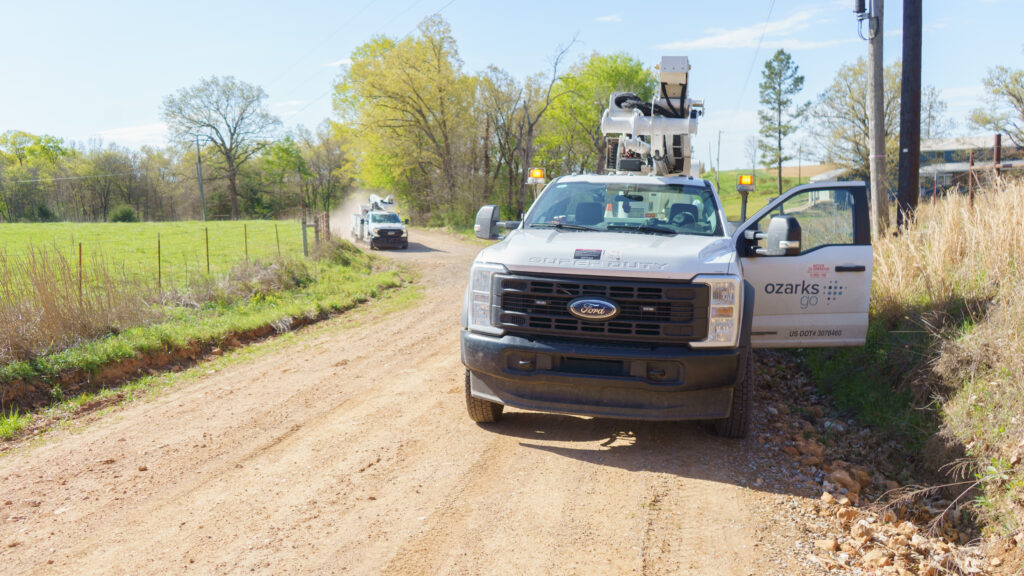
OzarksGo customers are experiencing the power of Gigabit+ 2500 multi-gig fiber internet with seamless gaming, remote work and smart home connectivity like never before. Learn how this cutting-edge technology is shaping the future of broadband.

With more people working remotely, gaming competitively and running smart homes, the need for reliable, high-speed internet has never been greater. OzarksGo, the fiber-to-the-home internet subsidiary of Ozarks Electric, has recently introduced Gigabit+ 2500 to its customers in Oklahoma. But how does this technology translate to real-world benefits? We spoke with OzarksGo installers to see how multi-gig internet is benefiting our customers.

In today’s digital world, standard broadband is no longer acceptable for many households and businesses. Multi-gig fiber internet provides a smoother and more efficient online experience. It delivers fast download and upload speeds, reduces gaming and video conferencing latency and ensures a reliable connection even in homes with heavy internet usage. 

OzarksGo installer, Frank Catron, shared his first-hand experience seeing how multi-gig speeds enhance customer connectivity. 
“With multi-gig internet, you just have more bandwidth. It is like having a wider lane of traffic; everything runs smoother. If you are gaming, running a high-performance computer, or using multiple devices at once, multi-gig ensures everything stays fast and reliable.”

As internet demands continue to grow, OzarksGo is committed to staying ahead of the curve by expanding multi-gig service availability. Multi-gig connectivity is setting new standards for broadband performance in Oklahoma. As more customers switch, multi-gig benefits will continue to shape the way Oklahomans work, play and stay connected. 

OzarksGo utilizes fiber-to-the-home technology to provide lightning-fast, symmetrical upload and download speeds of up to 2,500 Mbps. This ensures customers experience high speeds, low latency, and unmatched internet reliability. OzarksGo has built a strong reputation for providing exceptional local customer service across its service areas. In addition to high-speed internet, OzarksGo offers phone service and TV options to connect any home or business.

ecoLINK Nears 20,000 Installs Thanks to Strong Partnerships and Support

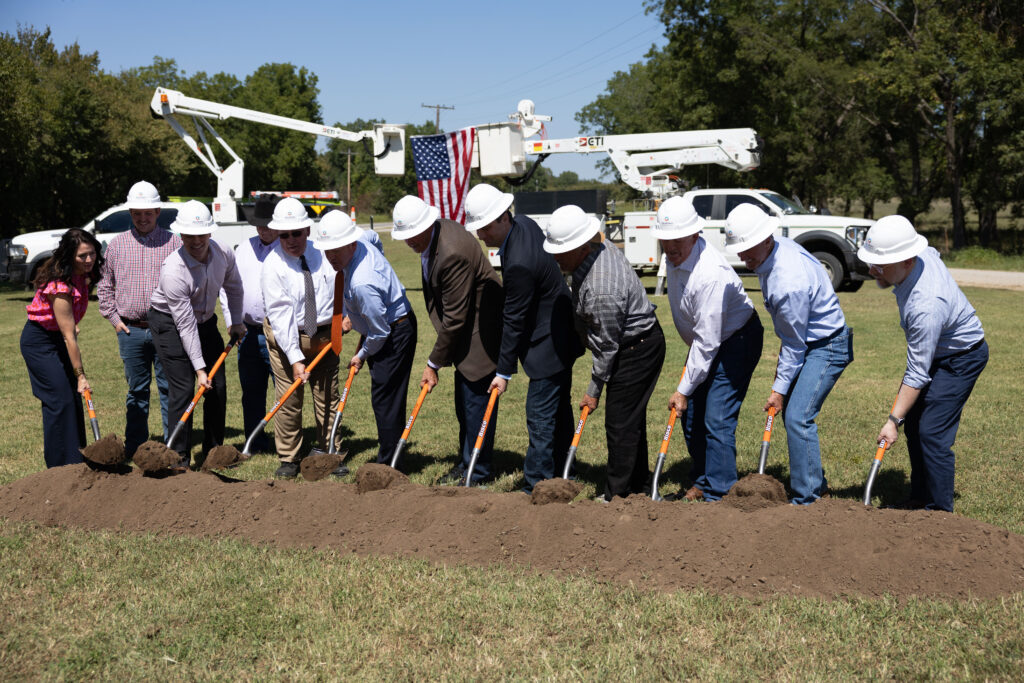
East Central Electric board members, staff and legislative representatives break ground in the community of Slick, where internet availability is severely limited.

ecoLINK is on the verge of an exciting milestone—20,000 fiber internet installations! This achievement is not just about numbers; it’s a testament to the power of cooperative partnerships, legislative support, and critical grant funding that have made rural broadband expansion possible.

From the beginning, ecoLINK’s mission has been clear: to bridge the digital divide by delivering fast, reliable fiber internet to underserved communities. Reaching this scale would not have been possible without the combined efforts of:

✅ Legislative Support – State and federal leaders have prioritized broadband expansion, creating opportunities for rural connectivity through policy initiatives and funding programs.
✅ Grant Funding – Programs such as the American Rescue Plan Act (ARPA) and other broadband grants have provided essential resources to extend fiber infrastructure into hard-to-reach areas.
✅ Cooperative Commitment – As a subsidiary of East Central Electric Cooperative, ecoLINK continues to embody the cooperative spirit, reinvesting in the communities we serve and ensuring that rural areas are not left behind in the digital age.

With nearly 20,000 homes and businesses connected, we remain committed to expanding our network and advocating for continued investment in rural broadband. Thank you to our members, legislators, and partners for making this progress possible. Together, we’re building a more connected future!

IEC Moving Forward with Fiber Construction in ARPA-Funded Areas

Indian Electric Cooperative is marching ahead to meet its goal of providing high-speed Internet to all of its members. 

Through a lease agreement with Cox Communications, IEC provides the infrastructure and fiber backbone, and Cox provides service from the pole to the home. 

IEC says it has completed construction on 211 miles of line and passed 3,475 homes.

Areas already with fiber in the air and available for members to sign up to receive Cox fiber include IEC members in Fairfax, Red Rock and Burbank, plus those east of Mannford in Creek and Tulsa County. 

“Currently, we are focusing on grant-funded areas,” IEC’s VP of Engineering Jeff Pollard said. “We are finishing up all the awarded areas in Osage County, which will be complete by the end of the first quarter and then we’ll be rolling into two other ARPA-funded projects.”

IEC was awarded $17 million for specific underserved areas through the Oklahoma Broadband Office last year and is designated from Oklahoma Legislature-approved American Rescue Plan Act (ARPA) State and Local Fiscal Recovery Funds. The cooperative also is pursuing other funding opportunities to offset construction costs to the cooperative. 

IEC’s next construction zones include the Cleveland area, west and south.
Jamie Garrison, who is VP of Operations for IEC, says his construction crews are expected to have passed 5,824 members by the end of 2025, an area that encompasses 807 miles. Those members then will be able to call Cox to set up installation to their homes.

“We have some extremely underserved and unserved areas when it comes to broadband,” IEC CEO Todd Schroeder said. “To see that we have members now with options they didn’t have before is what a cooperative is all about. Our main mission is to serve the member and make their lives better.”

Pausing to Reflect

Ten years. That’s how long BOLT Fiber Optics has been building its broadband network across northeast Oklahoma.

We’ve certainly come a long way over the past decade. From a concept on a drafting table to a sprawling network that now encompasses approximately 2,000 miles of both aerial and underground fiber, it’s been quite the journey.

As we pause to reflect on this 10-year milestone, we are also reminded of the striking historical similarities between the emergence of electrical and broadband infrastructure here in rural Oklahoma.

In the 1930s—less than a century ago—electricity was found only in major cities where investor-owned utilities found the business case profitable. This inequity left farms, ranches, and other rural areas in the dark, quite literally.

In 1935, then-President Franklin D. Roosevelt issued an executive order that created the Rural Electrification Administration. Passage of the Rural Electrification Act through Congress provided financial backing for the first rural electric cooperatives in the United States.

Cooperatives were formed by neighbors banding together with the common goal of electrifying America’s heartland. By 1959, nearly 90% of all farms had electricity, and life as we know it was forever changed.

It is a rare occasion when history repeats itself on the scale of the Rural Electrification Act, but we find ourselves witnessing a very similar movement today. The need for broadband and the discrepancy between urban and rural availability is comparable to the electrification disparity of the 1930s.

In 2014, the NOEC Board of Trustees began pursuing a vision to bridge the digital divide here in northeast Oklahoma. This necessitated the procurement of a loan from the Rural Utility Service on behalf of our wholly-owned subsidiary, Northeast Rural Services, LLC. That loan was the catalyst for BOLT Fiber Optic Services. Since then, BOLT has grown to over 18,000 subscribers with more connected each day.

The Inflation Reduction Act of 2022 created funding aimed at further reducing the digital divide between rural and urban inhabitants. Grant funds were earmarked for broadband expansion nationwide with each state receiving an allocation. The Oklahoma Broadband Office was formed and charged with administering these funds through the ARPA SLFRF, ARPA CPF, and BEAD programs.

There’s little time for us to celebrate our 10-year achievement. We find ourselves breaking ground on a significant expansion of our footprint, thanks to nearly $24 million in funding through the SLFRF and CPF programs. Adding an approximate $18 million match, BOLT will be expanding throughout Craig, Delaware, Mayes, Ottawa, and Rogers counties over the next two years. This expansion will cover more than 1,000 miles and pass close to 7,500 residences and businesses with broadband availability.

It remains the vision of BOLT to ensure that cooperative members and non-members alike have access to quality broadband services. These new grant opportunities are allowing us to move that vision forward.

We’re still lighting up rural America, the light just looks a little different now.